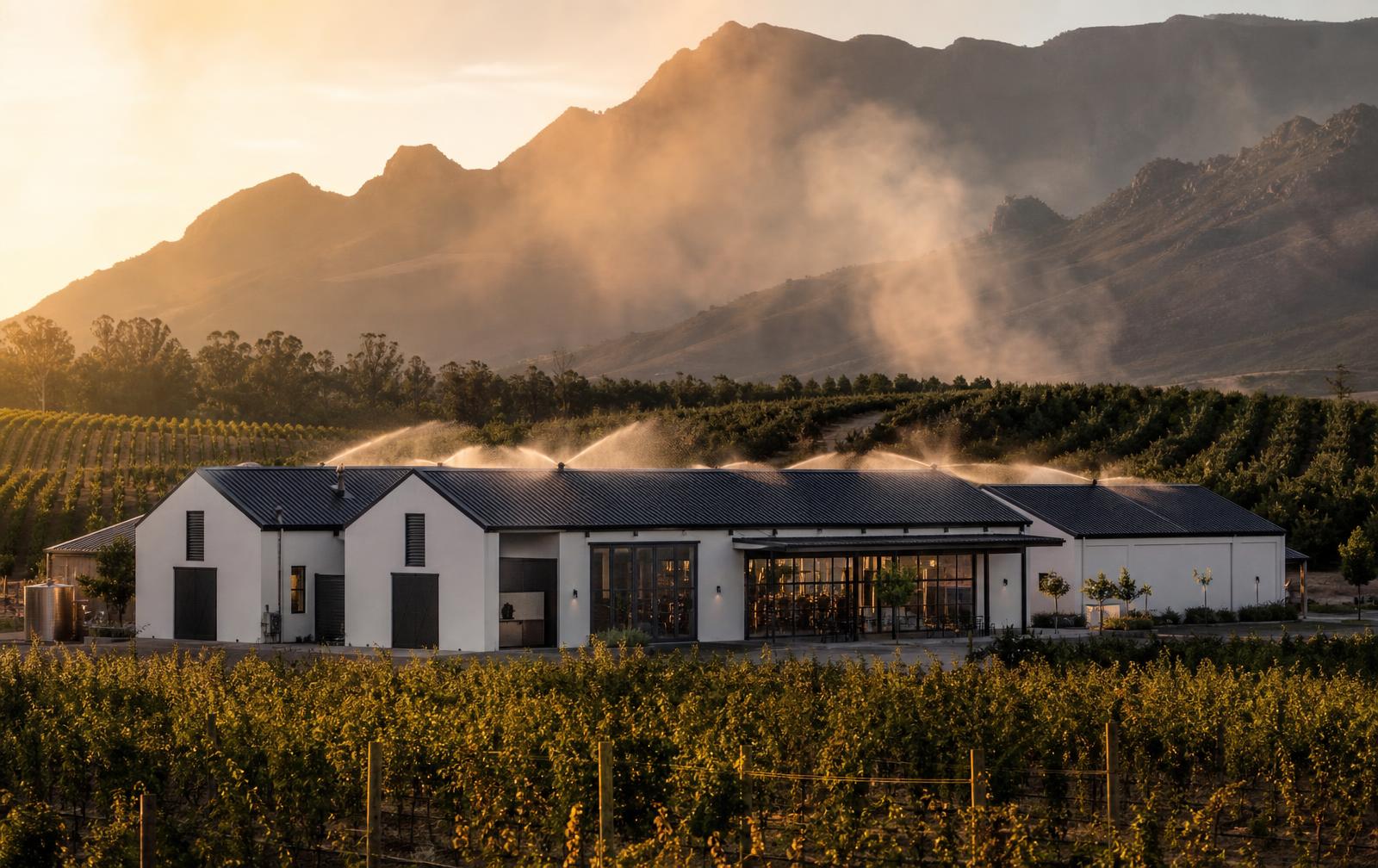
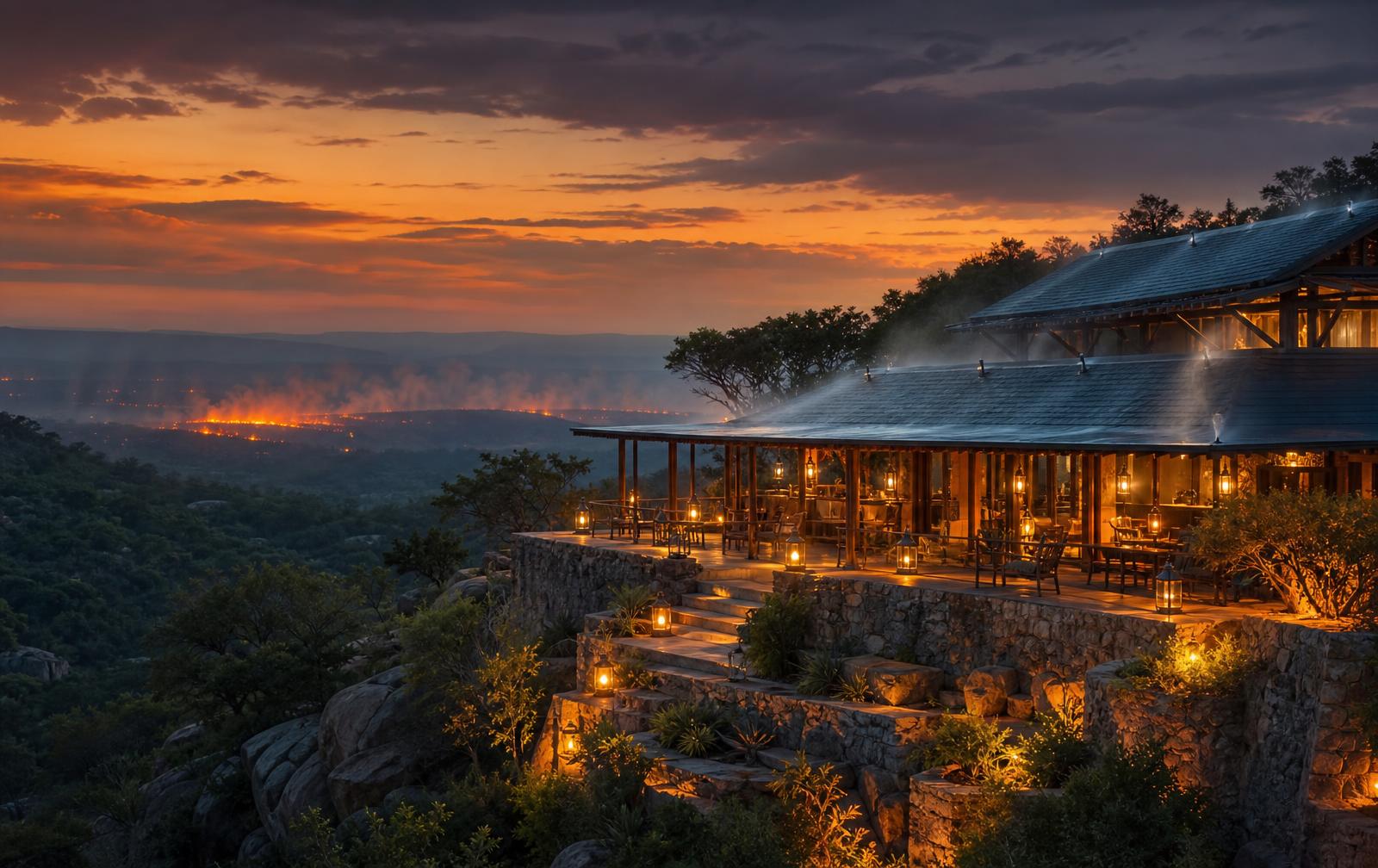
Preparing Your Estate for Wildfire Season
Vegetation management, gutter clearing, roof inspections and emergency planning can significantly reduce the risk of wildfire damage. Here's how to prepare before fire season begins.

Every wildfire season brings new challenges for homeowners, estates and rural properties. While no one can control the weather, proper preparation can dramatically improve your property's resilience.
The best wildfire defence begins long before smoke appears on the horizon. Taking a few preventative measures each year can reduce fuel around your home, improve emergency access and ensure protection systems are ready when needed.
1. Create Defensible Space
Vegetation is one of the biggest contributors to wildfire spread. Reduce combustible material by:
- Removing dead branches and dry vegetation
- Trimming trees away from roofs and buildings
- Keeping lawns short during summer
- Clearing leaves from gardens and pathways
- Storing firewood well away from structures
A clear buffer zone slows approaching fires and reduces radiant heat reaching your buildings.
2. Clean Roofs and Gutters
Leaves, pine needles and debris accumulating in gutters are among the most common ignition points during ember attacks. Before wildfire season:
- Clean all gutters thoroughly
- Remove debris from valleys and roof corners
- Inspect downpipes for blockages
- Check that water flows freely
A clean roof significantly lowers ignition risk.
3. Inspect Your Water Supply
Your wildfire protection system is only as reliable as its water source. Check that:
- Garden taps deliver adequate flow
- Pumps are serviced
- Backup generators are operational (where applicable)
- Storage tanks are full
- Pipework is leak-free
If your property uses Rainmaker®, perform a quick activation test before summer to verify correct spray patterns.
4. Maintain Your Roof Protection System
Routine inspections ensure every component performs when required. Inspect:
- Flexible sprinkler heads
- Mounting brackets
- Pipe connections
- Isolation valves
- End caps
Replace damaged components immediately.
5. Prepare an Emergency Plan
Every household or estate should have a documented emergency procedure. Include:
- Evacuation routes
- Emergency contact numbers
- Water supply shut-offs
- Assembly points
- Livestock evacuation plans (where applicable)
Everyone on the property should know their responsibilities.
6. Protect More Than Your Roof
Wildfires don't only threaten buildings. Consider protecting:
- Boundary walls
- Timber fences
- Solar panel installations
- Pump houses
- Workshops
- Agricultural buildings
These areas often become secondary ignition points.
Why Early Preparation Matters
Most wildfire losses occur because properties are unprepared — not because protection wasn't possible. By investing a small amount of time before the season begins, property owners can dramatically reduce the likelihood of structural damage and improve firefighter safety.
Prevention is always more effective than suppression.
Our modular roof and perimeter protection systems create continuous water saturation over vulnerable areas, helping defend homes, lodges, estates and commercial properties when wildfire threatens.
Final Checklist Before Fire Season
- Remove dry vegetation around buildings
- Clean roofs and gutters
- Test your water supply
- Inspect pumps and valves
- Service your Rainmaker® system
- Review your emergency plan
- Keep emergency equipment accessible
Protect what you've spent years building. Rainmaker® Modular Wildfire Protection System — peace of mind starts at the top.
Rainmaker® Modular Roof Protection System
Protect what you've spent years building.
Size a system for your own roof in a few minutes — modules, coverage, water requirements and pricing.
Design My System